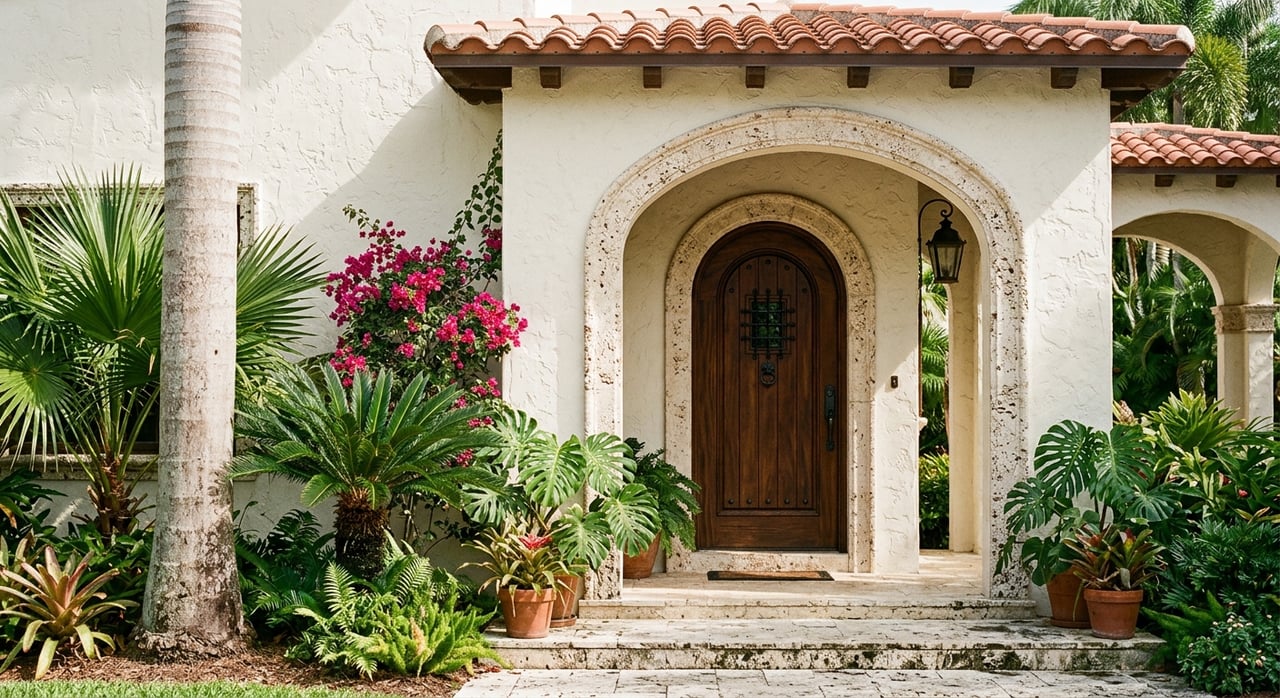
What To Know Before Buying A Historic Coral Gables Home
June 4, 2026
June 4, 2026
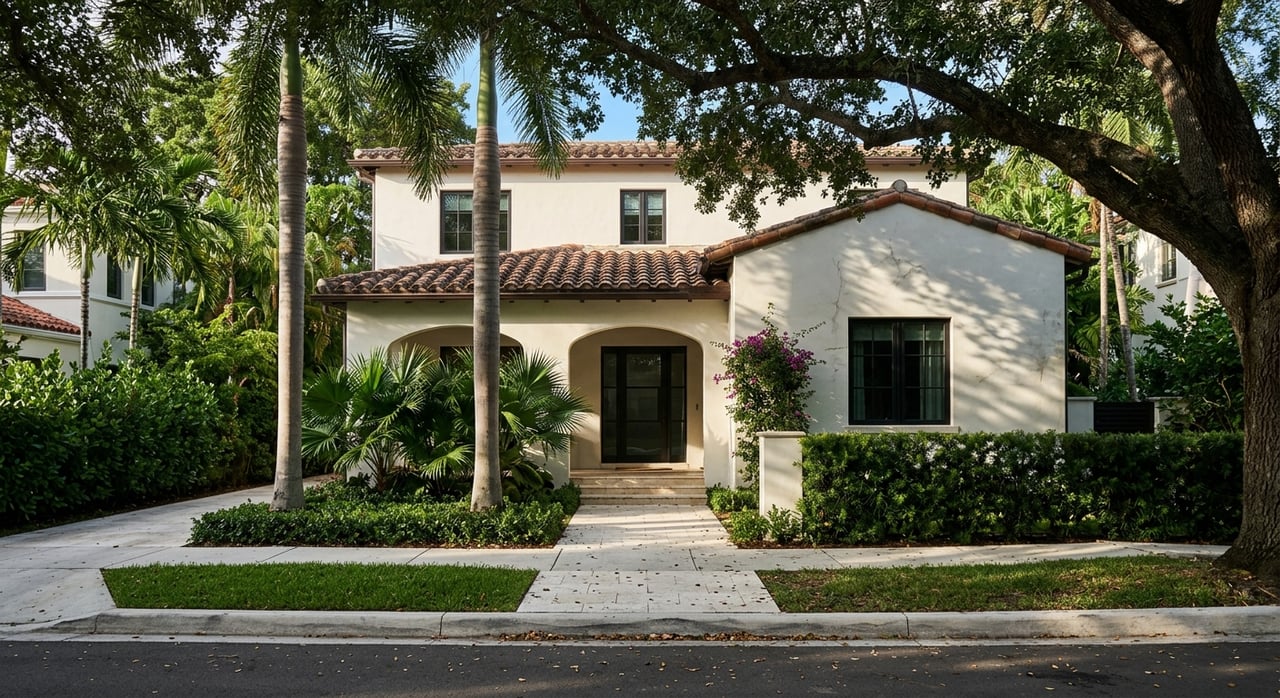
Thinking about buying a historic home in Coral Gables? It can be an exciting move, but it also comes with extra layers you need to understand before you fall in love with the arches, barrel tile roof, or coral rock details. If you know what to check before you buy, you can protect your budget, avoid surprises, and move forward with much more confidence. Let’s dive in.
Coral Gables is not just a place with older homes. The city was intentionally shaped around City Beautiful and Garden City planning ideas, and that planning history still shows up in the look and feel of many residential streets.
The city says more than 1,000 properties are listed on the Coral Gables Register of Historic Places. That means historic status is a real and active part of the local market, not a rare exception.
You will also see a wide mix of architectural styles and materials tied to the city’s history. Coral Gables highlights Mediterranean Revival landmarks, coral rock and oolitic limestone construction, and themed villages such as Dutch South African, Chinese, French Normandy, Florida Pioneer or Colonial, French Country, French City, and Italian.
In Coral Gables, local historic designation usually starts with age and significance. The city guide explains that properties generally need to be at least 50 years old and show historical, cultural, aesthetic, or architectural significance.
That significance can come from several factors. A property may be tied to important people or events, or it may stand out because of its architectural design or character.
It also helps to know that a historic district has a specific meaning. The city defines it as a geographically defined area with a concentration or continuity of landmarks, improvements, or landscape features connected by historic events or physical development.
One of the biggest things to understand before buying is whether the property is locally designated on the Coral Gables Register of Historic Places. This is the designation that triggers city review for many exterior changes.
That is different from the National Register. The city explains that the local register is what affects approvals, while the National Register is a separate recognition and planning tool.
If you are buying with plans to expand, redesign the exterior, or make visible changes, this distinction matters. A beautiful historic home may offer charm and long-term value, but it can also come with a more structured approval process.
For many historic properties in Coral Gables, a Certificate of Appropriateness, often called a COA, is a key part of the process. The city’s application materials say a COA is required before most exterior work begins, before a building permit can be issued, and before any variance can be granted.
The COA process can apply to:
Some maintenance-only work may not need COA review. Still, you should never assume your planned work is exempt without confirming it early in your due diligence.
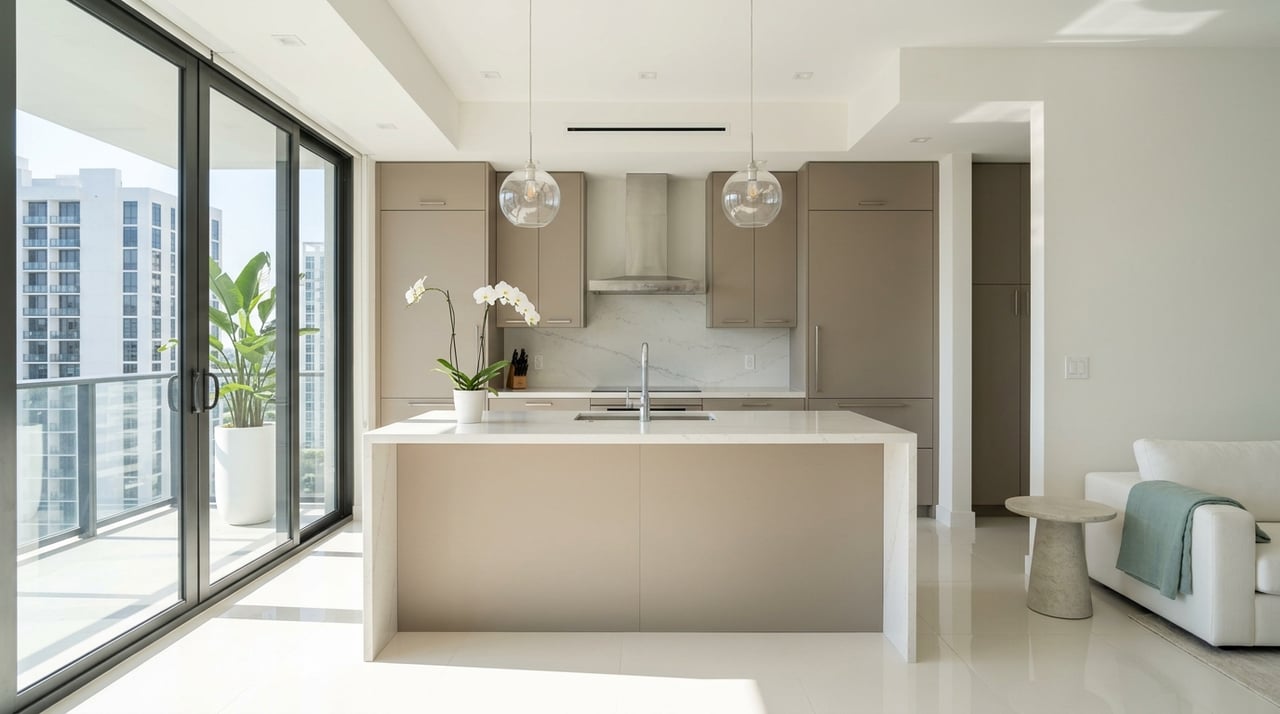
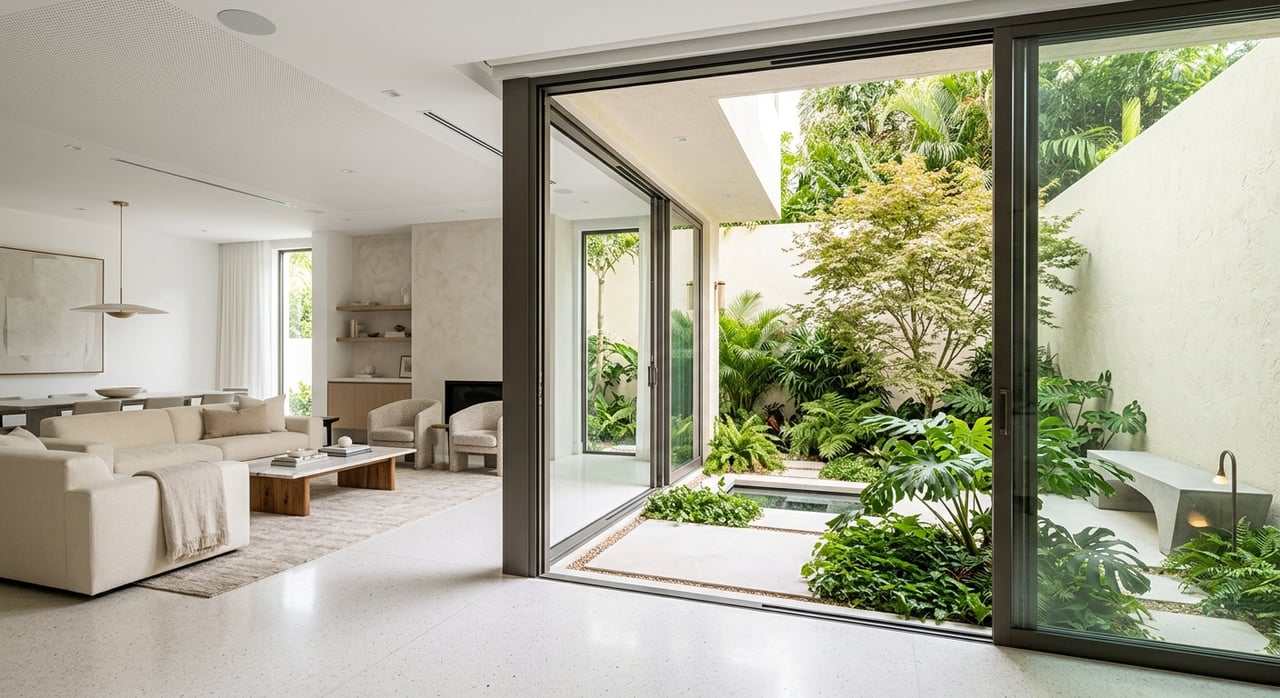
If your plans are mostly inside the home, the rules may be less restrictive. The city guide says interior remodeling is generally not reviewed unless ad valorem tax relief is being requested for interior impacts, with limited special exceptions for certain public spaces.
That can be good news if you want to update kitchens, baths, or interior finishes while preserving the home’s exterior character. Even so, it is smart to confirm how your planned work fits the property’s status before closing.
Historic homes do not always fit neatly into modern zoning rules. Many significant older properties were built before some current standards were in place.
Because of that, the city notes that additions or modifications may require variances to preserve the setting and architectural continuity of the property. If you are buying a historic Coral Gables home with the goal of adding square footage, a guest space, or major exterior changes, this should be part of your planning from day one.
Historic designation is not something that simply expires over time. According to the city guide, local designation lasts as long as the property exists, or until it is altered so substantially that it no longer has the qualities that made it significant.
For you as a buyer, that means the status is usually long-term. If preserving architectural character is part of why you want the home, that can be a benefit. If flexibility is your top priority, it is something to evaluate carefully before making an offer.
Historic homes often require a different approach to maintenance and repairs. Coral Gables points to period materials such as coral rock, native oolitic limestone, barrel tile, and carved terra cotta, all of which may call for preservation-minded trades and matching materials.
In practical terms, this can affect both cost and timeline. Repairs may not be as simple as replacing modern materials with off-the-shelf alternatives, especially when you are trying to maintain the original look of the property.
Before you buy, it helps to ask:
If you are looking at an older home mainly for the lot, slow down before making assumptions. In Coral Gables, even non-designated structures may go through a historical-significance request process before a demolition permit is pursued.
City staff may determine whether the building is historically significant or eligible for local designation. That means teardown potential is not something you should treat casually in this market.
There is also a site issue to keep in mind. The city requires a tree survey and tree protection plan when applying for demolition permits, which can be especially important on lots with mature canopy.
A common question is whether historic status automatically raises property taxes. The city guide says local historic designation does not increase assessed property taxes solely because of the designation.
That can ease one common concern for buyers. The same city guide also notes that qualifying rehabilitation may be eligible for an ad valorem tax exemption program tied to the Secretary of the Interior’s Standards and participating taxing authorities.
If you are considering a substantial rehabilitation, that may be worth exploring early with the right local guidance. The key is to understand the program requirements before you begin work.
Insurance is one of the most important parts of buying any South Florida home, and it deserves extra attention with older properties. FEMA states that flood insurance is separate from homeowners insurance, and most homeowners policies do not cover flood damage.
FEMA also says flood insurance is available outside high-risk areas, while homes in high-risk flood areas with government-backed mortgages are required to carry it. NFIP policies usually have a 30-day waiting period, which can affect timing if flood coverage is needed.
That is why it is smart to check the exact parcel on FEMA’s flood map system and request a flood insurance quote early. Flood-zone status and lender requirements can directly affect your monthly payment, closing costs, and overall affordability.
In Florida, windstorm insurance costs can also vary based on the property’s features. State consumer guidance says mitigation features can lower windstorm premiums, and insurers are required to offer mitigation discounts or credits.
Qualified inspectors use the Uniform Mitigation Verification Inspection Form to document items such as:
For a historic Coral Gables home, this matters because older construction and updated mitigation features do not always line up neatly. You want to understand roof condition, wind-mitigation details, and available insurance options before your inspection period ends.
When you are serious about a historic home in Coral Gables, focus on both charm and logistics. A good pre-purchase review can help you avoid emotional decisions that later become expensive ones.
Here is a simple checklist to keep in mind:
Buying a historic home in Coral Gables is about more than finding a beautiful property. You are also buying into a set of local rules, architectural standards, and cost factors that can shape your experience as an owner.
When you understand those details upfront, you can make better choices about budget, renovation plans, insurance, and long-term value. Historic homes can be incredibly rewarding, but the best outcomes usually start with careful due diligence and clear local guidance.
If you are considering a historic home in Coral Gables and want a thoughtful, bilingual approach to the buying process, connect with Marbelys Angel for personalized guidance and help investing in Miami with confidence and purpose.
Stay up to date on the latest real estate trends.

Whether you’re buying your first home, relocating, or investing for passive income, I’ll help you make a confident decision that builds wealth and joy.