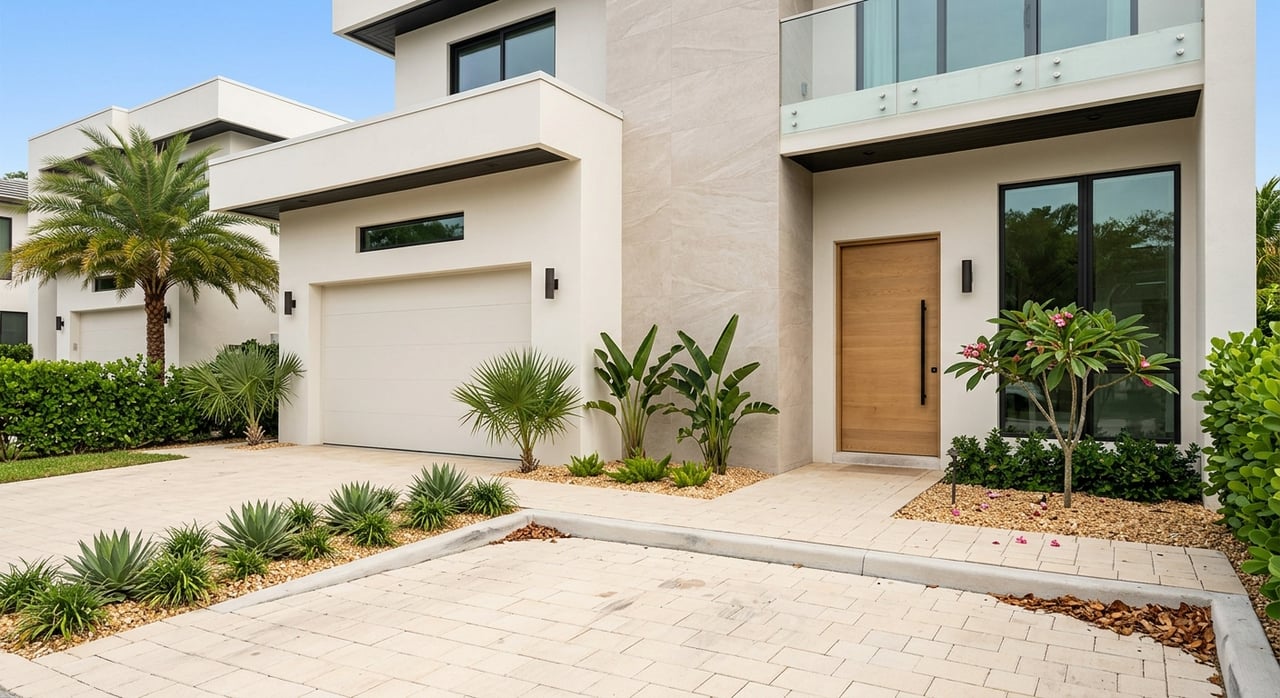
Buying New Construction In Doral: Step-By-Step Guide
April 9, 2026
April 9, 2026
Buying a brand-new home in Doral can feel exciting and complicated at the same time. You may love the idea of modern finishes, current building standards, and fewer early repair surprises, but you also need to understand builder contracts, timelines, permits, inspections, and insurance. If you want a clearer path, this guide walks you through each step so you can buy new construction in Doral with more confidence. Let’s dive in.
Doral gives buyers a mix of new development and resale options, with recent market snapshots showing median home values in the mid-$500,000s to low-$600,000s and roughly 580 to 610 active listings, depending on the source and month. That matters because you can often compare builder inventory with existing homes instead of rushing into one option.
For many buyers, new construction is appealing because local projects must comply with the Florida Building Code, Miami-Dade County Code, and City of Doral ordinances. In practical terms, you are not only buying a home. You are also buying into a city-managed permitting and inspection process.
Before you fall in love with floor plans or finish packages, confirm who is building the property and whether the project is properly set up. In Florida, each construction business must be qualified by a properly licensed individual through DBPR.
In Doral, contractors and owners working in the city must also be registered and provide licensing, liability insurance, a business tax receipt, and workers’ compensation coverage or an exemption. This extra layer matters because it helps you confirm that the people behind the project are authorized to work locally.
You should also verify the property’s zoning and land-use rules. The City of Doral Planning and Zoning Department can help confirm zoning designation, setbacks, and other site-specific questions, and the city offers a zoning verification letter process for written confirmation.
Do not wait until the end of the deal to review permit history. Doral’s records system includes permits from 2004 to the present, along with an open permit search and records request process.
This step is useful for brand-new homes and nearby project context. If there are unresolved permits tied to the property or related work, you want to know that early. If you are also comparing new construction to resale, permit history can help you understand what work has been done and whether anything remains open.
New construction pricing can look simple at first, but your full cost often goes beyond the base price. You may have deposits, lot premiums, design center upgrades, closing costs, insurance, and post-closing improvements to think about.
The Consumer Financial Protection Bureau recommends that you set a budget, get preapproved, and shop lenders, even if the builder has a preferred or affiliated lender. You can use the builder’s lender if the terms make sense, but you are not required to.
If the home is not finished yet, ask exactly how the deposit works. You should understand how much is due upfront, when additional deposits are due, and under what conditions any deposit is refundable.
A new construction contract is not just a purchase price and closing date. It also outlines build timing, upgrade terms, allowances, and what happens if the home is delayed or changed.
According to the CFPB, buyers should consider making the contract contingent on financing and a satisfactory inspection. That protection can matter if your loan approval changes or if serious issues are found before closing.
If you are buying a condominium in Doral, document review is even more important. Florida law requires a prospectus or offering circular for many condo projects before an enforceable contract can be formed, so you should read the condo packet carefully before signing.
One of the biggest differences between new construction and resale is timing. A resale home is already built, while a new home may still be under construction, waiting on inspections, or nearing final approval.
In Miami-Dade, a Certificate of Occupancy or Completion confirms that work complies with applicable codes. For new construction, a Certificate of Occupancy is issued, and in some cases a temporary CO or CC may allow limited occupancy while final items are being completed.
If the builder tells you the home is almost ready, ask direct questions. Is the property fully complete, or is it operating under a temporary certificate? What items still need to be finished before final occupancy is issued?
Upgrades can make a new home feel more personalized, but they can also affect your budget more than expected. The key is to separate what is included in the base price from what you may want now or later.
Doral’s new homeowner package shows that many common improvements require permits, including driveways and pavers, fences, patios, pergolas, windows and doors, pools, screen enclosures, additions, and interior renovations. In many cases, signed and sealed plans and a registered contractor are also required.
That means upgrade decisions are not only about style. They are also about future permitting, contractor coordination, and cost. A feature that seems easy to add later may involve more time and paperwork than you expect.
A brand-new home still deserves an independent inspection. Even though the home is new and has gone through the local building process, an outside inspector works for you, not the builder.
The CFPB recommends getting a home inspection as soon as possible so you have time to address issues or walk away if the contract allows. This step can help you catch incomplete work, installation problems, or items that need correction before closing.
Your final walkthrough also matters. Use it to compare the delivered home with the contract, upgrade list, and any builder promises in writing.
Insurance should never be an afterthought in South Florida. As you approach closing, the CFPB advises buyers to include homeowners insurance and title insurance in their closing budget.
In Doral, flood review is especially important. The city states that it participates in the National Flood Insurance Program and Community Rating System, and it also makes clear that homeowners insurance does not cover flood damage.
If the home is in an area where flood insurance is relevant to your lender or risk tolerance, review that early. It is better to understand coverage and cost before closing than after you move in.
New construction warranties can give buyers peace of mind, but you need to know what is actually covered. Florida’s mandatory builder warranty for newly constructed single-family homes covers builder-caused defects that create a material Florida Building Code violation for one year from original conveyance of title or initial occupancy, whichever comes first.
That warranty does not replace manufacturer warranties on appliances, and it does not cover every issue. The law excludes items such as normal wear and tear, normal settling, owner-caused damage, and certain natural-disaster losses.
If you are buying a condo, the warranty framework is different. Florida law provides an implied warranty structure that can extend three years for each unit and common improvements, and up to five years for certain building elements. That is one more reason condo buyers should read all developer documents carefully.
New construction can be a strong fit if you want current code compliance, a builder warranty, and a home that has moved through the city and county permitting and occupancy process. For many buyers, that can reduce some of the unknowns that come with older properties.
Resale can still make sense if you want a faster move-in timeline or a different price point. Doral’s permit and records system also gives you a way to review prior work, open permits, and property history when evaluating existing homes.
The right choice depends on your timing, budget, and goals. If you are buying for personal use, you may care most about layout and move-in timing. If you are buying as an investor, you may also weigh carrying costs, rental plans, and whether post-closing improvements will require added permits and time.
Before you commit to a new construction home in Doral, make sure you can answer these questions:
Buying new construction in Doral can be a smart move when you go in informed. If you want personalized guidance on comparing new builds, reviewing your options, or aligning your purchase with your long-term goals in Miami-Dade, connect with Marbelys Angel for bilingual, concierge-style support.
Stay up to date on the latest real estate trends.

Whether you’re buying your first home, relocating, or investing for passive income, I’ll help you make a confident decision that builds wealth and joy.