Outdoor And Cultural Life In Coral Gables
May 14, 2026
May 14, 2026
Looking for a Miami area community where outdoor beauty and cultural energy are part of daily life, not just weekend plans? Coral Gables stands out for exactly that reason. If you are thinking about buying, renting, or investing here, it helps to understand how the city’s parks, streets, dining districts, and cultural spaces shape the lifestyle. Let’s dive in.
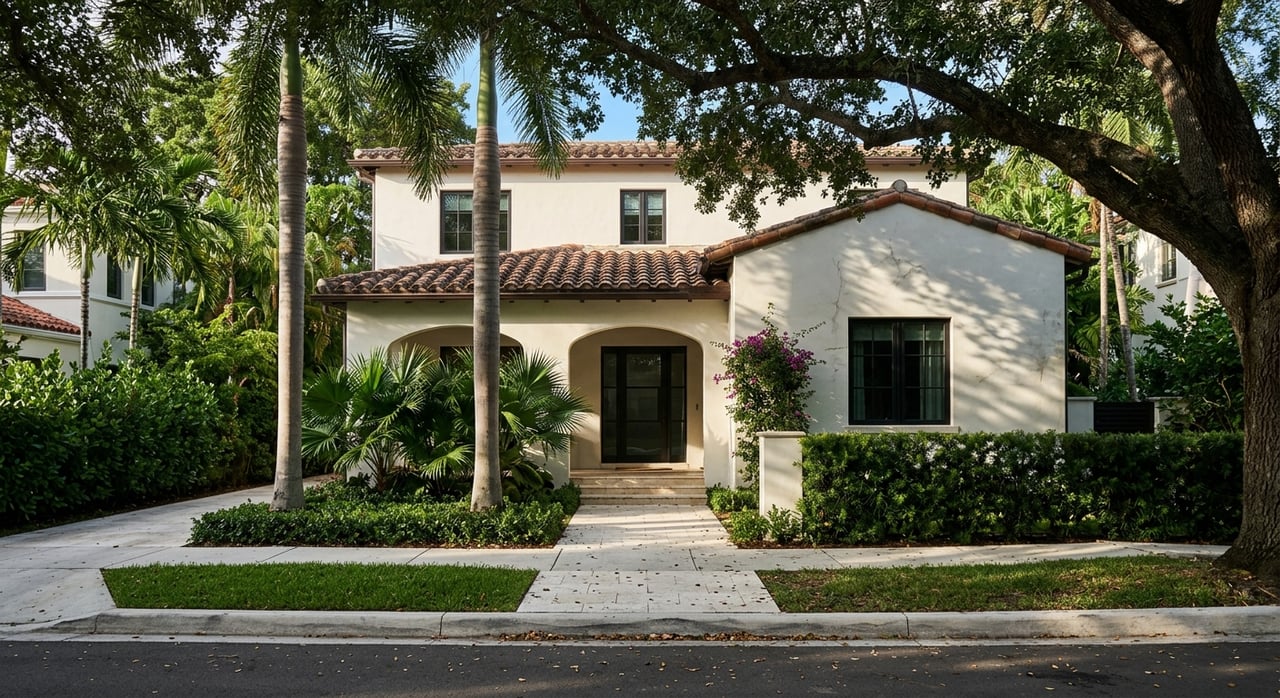
Coral Gables is not just another neighborhood in Miami-Dade. It is a planned city from the 1920s, shaped by George Merrick’s vision of a refined civic landscape. That vision still shows up today in Mediterranean Revival architecture, tree-lined avenues, plazas, parks, and fountains.
The city also offers a strong outdoor setting in everyday life. Official sources report more than 41% tree coverage, and Coral Gables has held Tree City USA status since 1985. For you as a buyer or investor, that means the public realm is a meaningful part of the area’s appeal.
One of the biggest lifestyle advantages in Coral Gables is that outdoor activity is woven into the city itself. The Community Recreation Department manages more than 60 parks and open spaces, along with major recreation assets like the Venetian Pool, golf, tennis, and youth facilities. You are not relying on one park or one district to enjoy time outside.
That matters because it creates a more consistent day-to-day experience. Whether you prefer a morning walk, a bike ride, time at a park, or a more organized recreation program, the city supports that rhythm. In Coral Gables, outdoor life feels local and accessible rather than occasional.
Coral Gables also encourages movement through its public-realm strategy. Bicycling is part of the city’s mobility culture, and riders may use sidewalks except on Miracle Mile. The city also provides free bike parking at city-sponsored events.
For you, this adds another layer of convenience and livability. It supports the kind of flexible routine many buyers want today, especially those balancing work, wellness, and leisure. It also helps explain why public spaces here often feel active without feeling chaotic.
Coral Gables has several landmark destinations that help define its identity. These places do more than attract visitors. They also give residents memorable settings for recreation, relaxation, and social time.
The Venetian Pool is one of the city’s most recognized attractions. The city describes it as a unique aquatic facility and a major tourist draw. Its history is part of the appeal too, since the site began as a quarry before becoming the pool and lagoon-style setting seen today.
For buyers considering lifestyle value, this is a good example of what makes Coral Gables feel different. The city blends recreation with history and design in a way that feels intentional. That can have a strong effect on how a community is experienced over time.
Fairchild Tropical Botanic Garden brings a major green destination to Coral Gables. It spans 83 acres and features rare tropical plants along with butterfly exhibits. This gives the area a garden destination with real scale, not just small landscaped pockets.
Nearby, Matheson Hammock Park adds even more outdoor access. The park covers 630 acres and wraps around Fairchild’s north and western edges. Together, these destinations expand the sense of open space and natural beauty in and around the city.
The Biltmore Hotel is another Coral Gables landmark with a strong outdoor identity. The city describes it as a 1926 resort set on more than 150 acres, with championship golf, tennis courts, and a major pool. Even for residents who are not staying at the hotel, it helps shape the area’s sense of place.
When you evaluate a neighborhood, these landmark spaces matter. They create visual character, strengthen local identity, and support the lifestyle story that often drives buyer interest. In a market like Coral Gables, that can be meaningful for both enjoyment and long-term positioning.
Coral Gables offers more than attractive streets and green space. Its cultural life is active, visible, and tied closely to the public environment. That gives the city a more layered feel than a place that relies only on dining or only on recreation.
The Coral Gables Museum plays an important role in the city’s identity. It focuses on architecture, urban design, planning, sustainability, and preservation. It also serves as the Coral Gables Visitor Center, with brochures, maps, event information, exhibitions, lectures, tours, and special programming.
This is useful if you are new to the area and want to understand what makes Coral Gables work as a place. The museum reflects the city’s planning history and civic values. In simple terms, it helps connect the look of the city with the ideas behind it.
The local arts scene also includes year-round performance and film venues. Actors’ Playhouse at Miracle Theatre stages musicals, dramas, and children’s productions throughout the year. The Coral Gables Art Cinema adds a nonprofit film venue to the mix.
For residents, this means cultural options are not limited to major downtown Miami destinations. You can enjoy local programming within the community itself. That convenience often adds to the appeal for buyers who want a well-rounded lifestyle close to home.
Public art is a visible part of life in Coral Gables. The city’s Art in Public Places program funds and commissions art in civic and private development. That means art is integrated into the environment rather than treated as an afterthought.
A current example is the Giralda Sky series, which is transforming Giralda Plaza with overhead textile installations created by artisans from Etzatlán, Mexico. Installations like this help public spaces feel more dynamic and memorable. For you, that can translate into a stronger sense of place and a more engaging street experience.
Coral Gables also stands out for its street-level social energy. Miracle Mile is the city’s central downtown street and a core corridor for shopping, dining, and entertainment. According to the city, the area has more than 120 international restaurants.
Giralda Plaza complements that energy as a pedestrian walkway lined with restaurants, bars, and coffee shops with indoor and outdoor seating. Together, these districts create a social rhythm that carries through the day and into the evening. If you value walkable dining and active public space, this is a major part of the Coral Gables lifestyle.
One detail that matters is how intentionally these streets are managed. City rules for outdoor dining require clearance and prohibit barriers that interfere with circulation on Miracle Mile and Giralda Plaza. That helps preserve pedestrian movement.
This may sound technical, but it has a real effect on daily experience. It keeps these corridors walkable, visible, and active. In practice, it supports the kind of environment many buyers and renters are looking for when they want convenience and atmosphere in one place.
A great lifestyle is not only about physical spaces. It is also about whether those spaces are used in ways that bring people out consistently. Coral Gables does this well through recurring events and seasonal programming.
Gables Gallery Night takes place on the first Friday of the month and combines gallery visits, live music, and a walkable downtown circuit. Giralda Live also happens on the first Friday, turning Giralda Plaza into a music-and-dining gathering place. Melodies on the Mile brings live music to Miracle Mile as well.
Seasonal events add to that rhythm. The city’s spring farmers market in front of City Hall has featured local produce, baked goods, floristry, workshops, and children’s activities. Bike tours and other city programming continue to activate parks, plazas, and cultural venues throughout the year.
For you as a buyer, seller, or investor, this consistency matters. It suggests a community with an active civic calendar and strong use of public space. That kind of energy often supports both resident enjoyment and ongoing market interest.
When you look at Coral Gables from a real estate perspective, the lifestyle story is clear. This is a compact, highly designed city where outdoor recreation, cultural programming, dining, and public events overlap. The result is a community experience that feels intentional and established.
That can matter in different ways depending on your goals. If you are buying for personal use, it supports quality of life and day-to-day convenience. If you are investing, it strengthens the area’s appeal to future renters or buyers who value character, walkability, green space, and cultural access.
For sellers, these lifestyle features also help shape how a home is positioned in the market. In Coral Gables, buyers are often evaluating more than square footage. They are also buying into a setting defined by tree canopy, public spaces, landmark destinations, and an active civic environment.
If Coral Gables fits what you want, it helps to work with an advisor who understands both the lifestyle and the numbers behind the decision. A neighborhood like this can appeal to full-time residents, second-home buyers, and investors for different reasons. The right strategy depends on how you plan to use the property and what you want it to do for you over time.
That is where local guidance makes a difference. Whether you are comparing Coral Gables to other Miami neighborhoods, looking for a primary home, or exploring a purchase with rental potential, you want a clear view of the trade-offs. If you are ready to talk through your options, connect with Marbelys Angel for personalized, bilingual guidance on buying, selling, investing, or leasing in Miami with confidence and purpose.
Stay up to date on the latest real estate trends.
Whether you’re buying your first home, relocating, or investing for passive income, I’ll help you make a confident decision that builds wealth and joy.