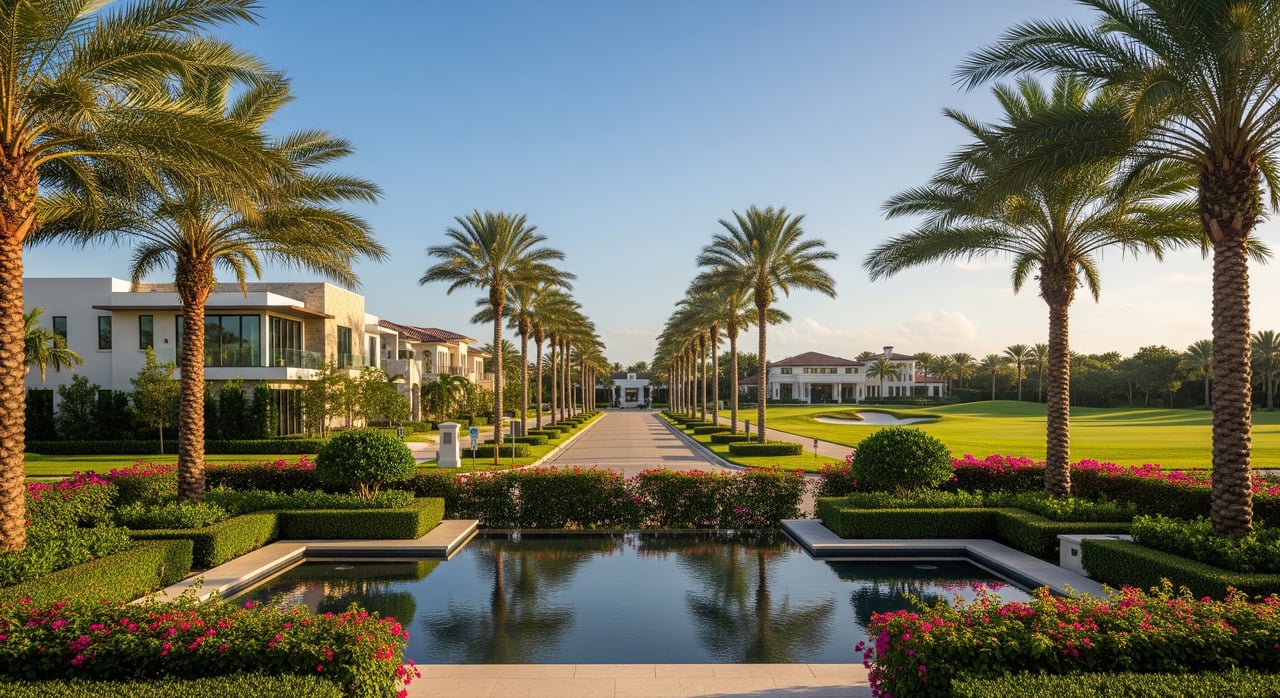
Wondering how Coral Gables’ neighborhoods and signature architecture shape day-to-day living, renovation potential, and long-term value? You’re not alone. With historic districts, waterfront enclaves, and modern rebuilds all within a few blocks, it can be hard to know where to start. In this guide, you’ll learn what defines each major residential pocket, the architectural styles you’ll see, how zoning and historic preservation affect projects, and the due-diligence steps smart buyers and sellers take. Let’s dive in.
Why Coral Gables looks the way it does
Coral Gables began in the 1920s as a planned community led by George E. Merrick. The early plan prioritized Mediterranean-inspired design, tree-lined boulevards, and cohesive streetscapes. That DNA still guides neighborhood character today.
The city supports a strong Historic Preservation program to protect defining architecture and public realm features. In some areas, homes are identified as “contributing” to a historic district, which means exterior changes are reviewed for compatibility. Outside of those areas, you’ll often have more flexibility, particularly for interiors.
Two layers typically govern what you can do: zoning and, where applicable, historic review. Zoning controls use, height, lot coverage, setbacks, and density. Historic review focuses on appearance and materials. Together, they shape renovation scope, costs, and timelines.
Neighborhood snapshots
Downtown, Miracle Mile, Merrick Park
- Character: Walkable city center with restaurants, shopping, and services. You’ll find low- to mid-rise condos and townhomes, plus a few adaptive-reuse buildings.
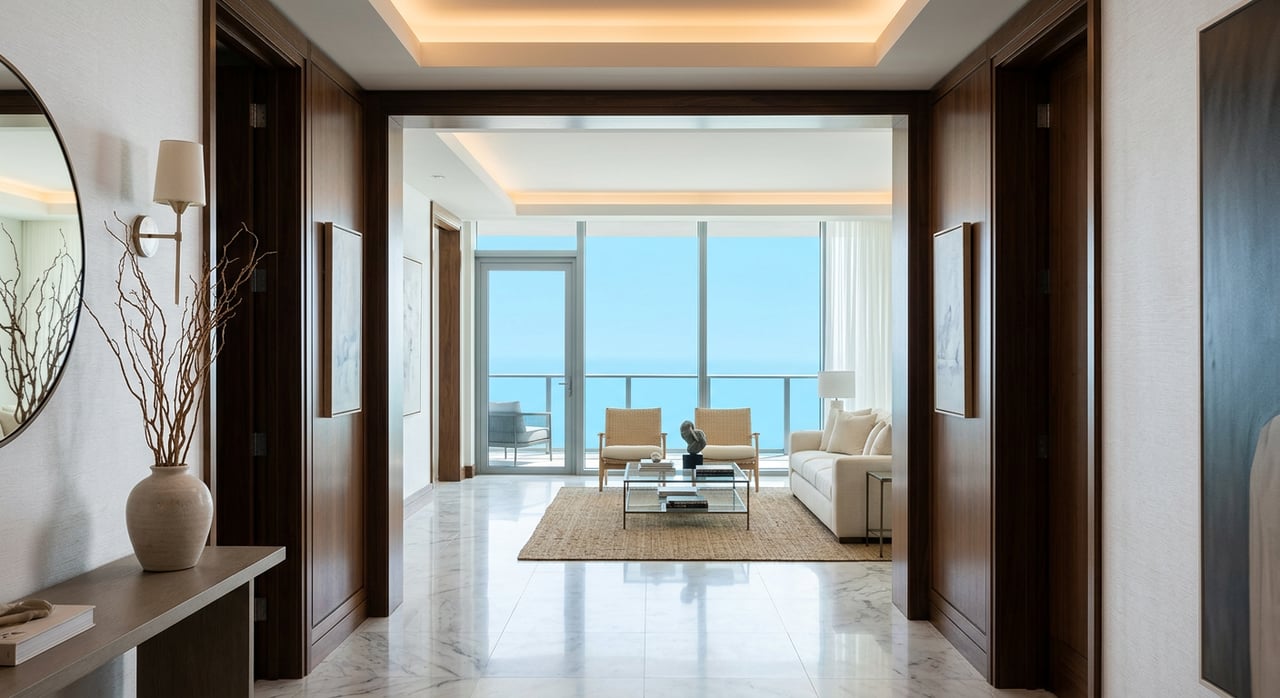
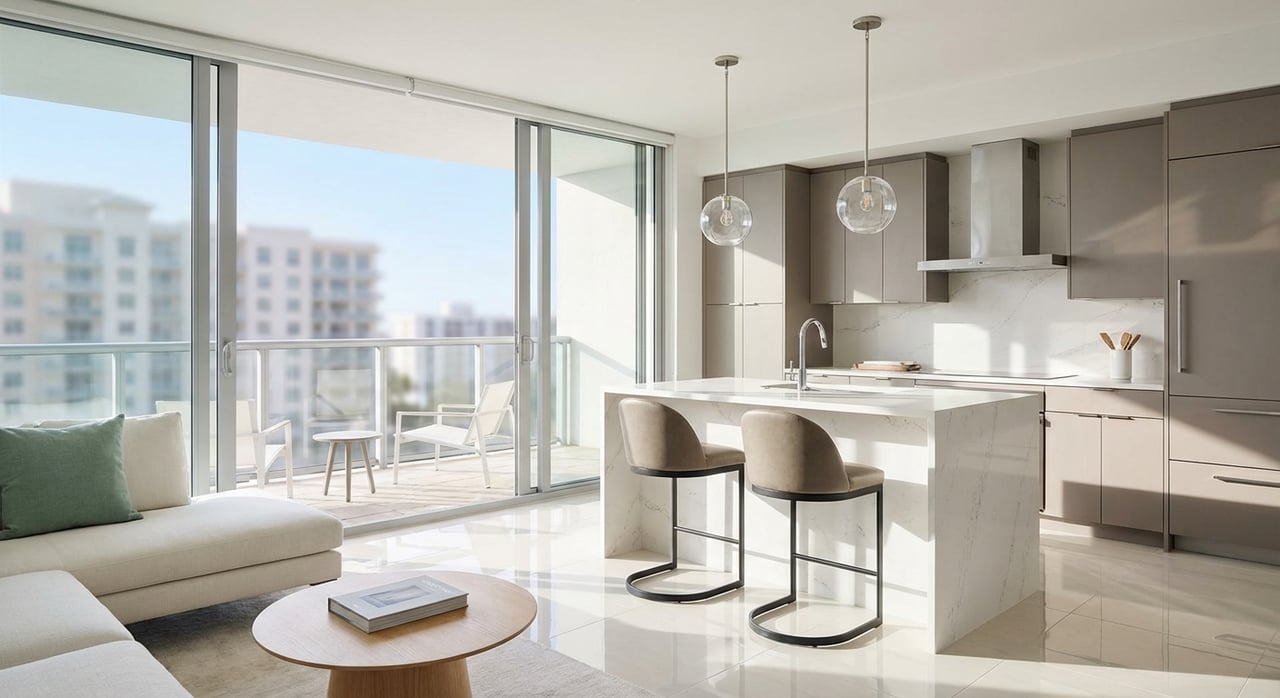
- Homes: Mid-rise condos and luxury boutique buildings, townhouses, and older apartments.
- Value pulse: Mid to upper, with premiums for walkability and amenities.
- Renovation notes: Interiors are typically straightforward. Condo association rules and, for older façades, historic protections can limit exterior changes. Short-term rental rules may apply.
Coral Way and Old Coral Gables districts
- Character: Grand, tree-lined streets with 1920s to 1930s Mediterranean Revival homes and cohesive streetscapes.
- Homes: Mediterranean and Spanish Revival single-family residences, plus bungalows.
- Value pulse: Upper-mid to high, driven by historic character and lot context.
- Renovation notes: Expect exterior design review for items like windows, roofing, and front-yard changes. Interiors are usually flexible. Structural work and additions need permits and can require historic approval.
Granada and Granada Golf corridor
- Character: Established residential streets near golf and parks, mixing historic and mid-century homes.
- Homes: Larger single-family residences, Mediterranean Revival, and tasteful mid-century renovations.
- Value pulse: Upper.
- Renovation notes: Many lots allow modest expansions. Tree preservation and visible façade changes can trigger design review.
Cocoplum
- Character: Gated, master-planned luxury community with mature landscaping and select private marina access.
- Homes: Large single-family estates, many on the water.
- Value pulse: Highest, often long-hold estates.
- Renovation notes: HOA covenants and architectural review are strict. Waterfront work involves marine regulations and environmental permits. Budget for seawall, dock, and permitting.
Gables Estates
- Character: Private, waterfront estate enclave on Biscayne Bay with deep-water access.
- Homes: Large custom estates and modern rebuilds.
- Value pulse: Very high.
- Renovation notes: Seawall condition and riparian rights are critical. Permits for docks or seawalls often require city, county, and state approvals.
Ponce-Davis and University-adjacent areas
- Character: Close to the University of Miami and medical corridors. A mix of older cottages, bungalows, and mid-century homes, plus small multifamily.
- Homes: Modest single-family, duplexes, small multifamily, and infill townhomes.
- Value pulse: Moderate to upper-mid, depending on lot size and proximity to UM.
- Renovation notes: Older systems and smaller lots are common. Some properties are strong candidates for expansion or rebuilds where zoning allows. Check association and local ordinances for rental restrictions.
South Gables, Riviera, and Sunset corridor
- Character: Residential corridors with mid-century homes, condos, and townhomes. Convenient access to area schools and South Miami amenities.
- Homes: Ranch and mid-century single-family, plus select mid-rise condos and townhomes.
- Value pulse: Mid to upper-mid with pockets of rapid modernization.
- Renovation notes: Some blocks welcome major updates, while others fall under historic or conservation overlays that limit exterior changes.
A note on block-to-block changes
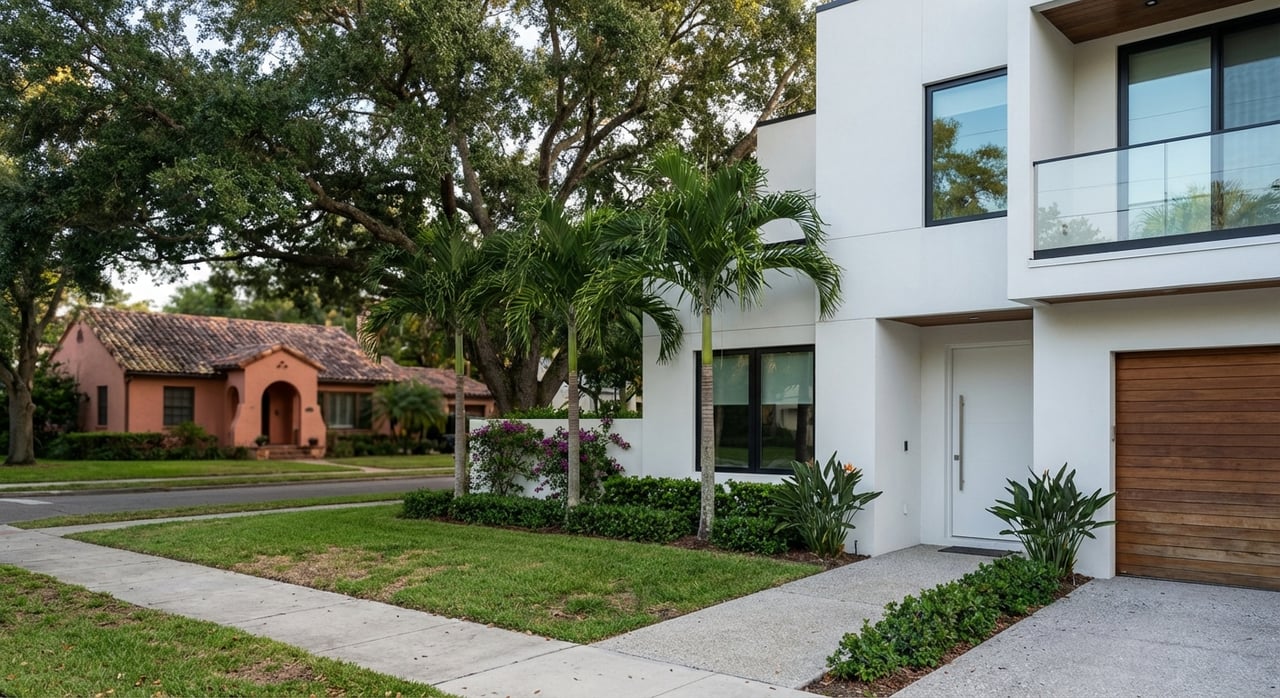
In Coral Gables, rules and character can shift quickly. One block may include a protected Mediterranean Revival home, while the next features a modern rebuild. Zoning can also change at property lines, such as single-family next to a corner that permits multifamily. Always verify a property’s zoning and historic status before you plan a project.
Architectural styles you’ll see
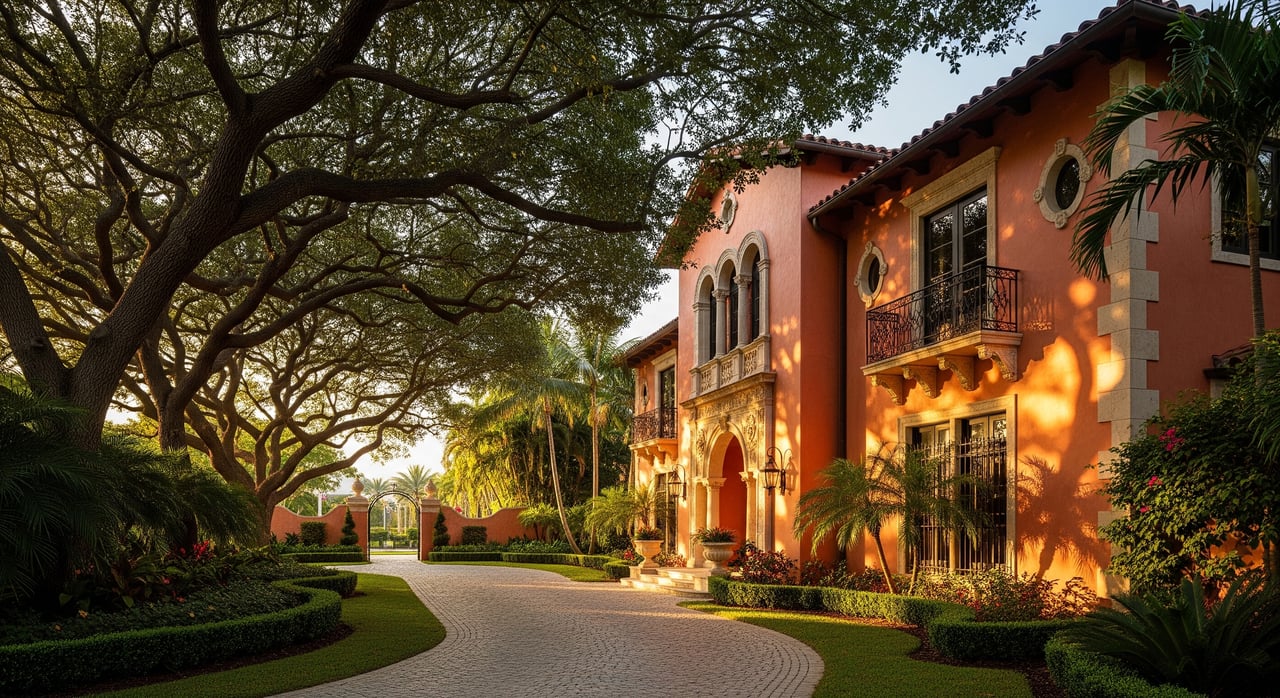
Mediterranean and Spanish Revival
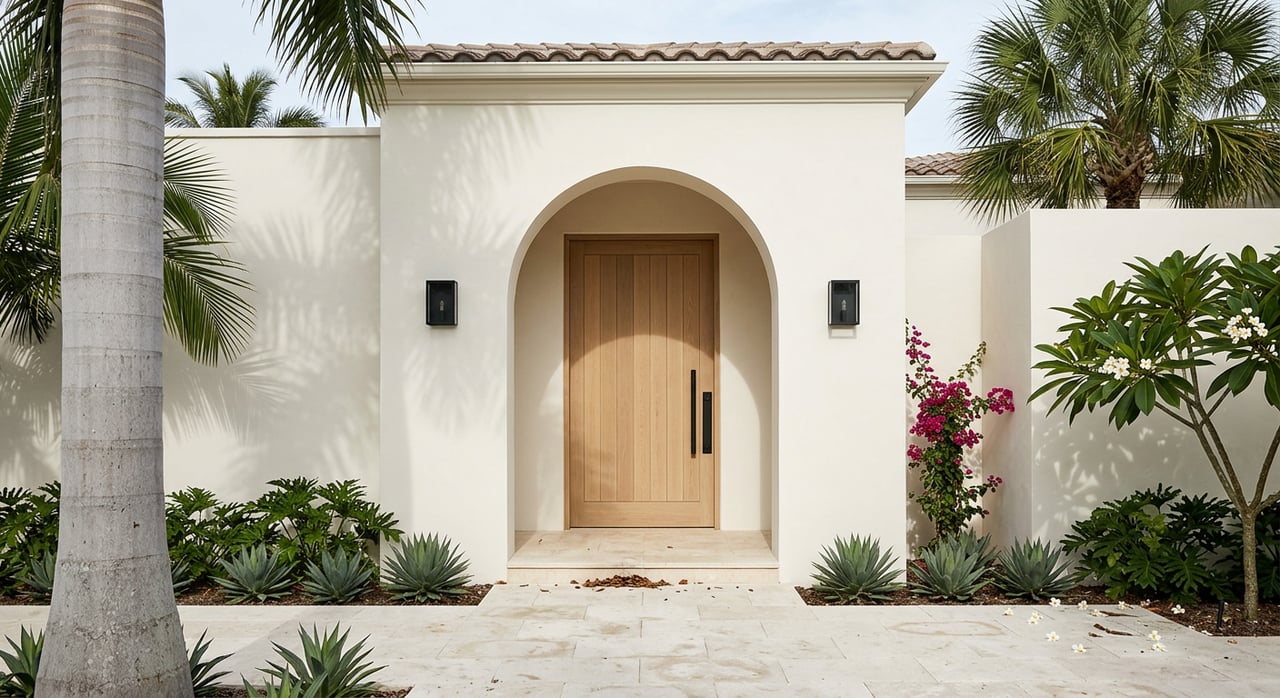
- Defining features: Stucco walls, clay tile roofs, arches, courtyards, wrought iron, and decorative tile. Many date to the 1920s–30s.
- Typical systems: Older electrical and plumbing, lath and plaster, and modest attic ventilation can appear in early homes.
- Renovation tips: Exteriors in historic areas often require compatible roofing, windows, and materials. Plan for review time and specialized trades.
Mission, Moorish, and eclectic blends
- Defining features: Variations of the Mediterranean language with stucco, parapets, and ornamental detailing.
- Renovation tips: Similar review standards to Mediterranean Revival in protected areas.
Mid-century modern and ranch
- Defining features: Low-slope roofs, larger one-level footprints, open plans, and simpler façades.
- Typical systems: Slab-on-grade with plumbing access considerations, dated mechanicals, and single-pane windows.
- Renovation tips: Often easier to expand where zoning allows. Design constraints are usually lighter outside historic districts.
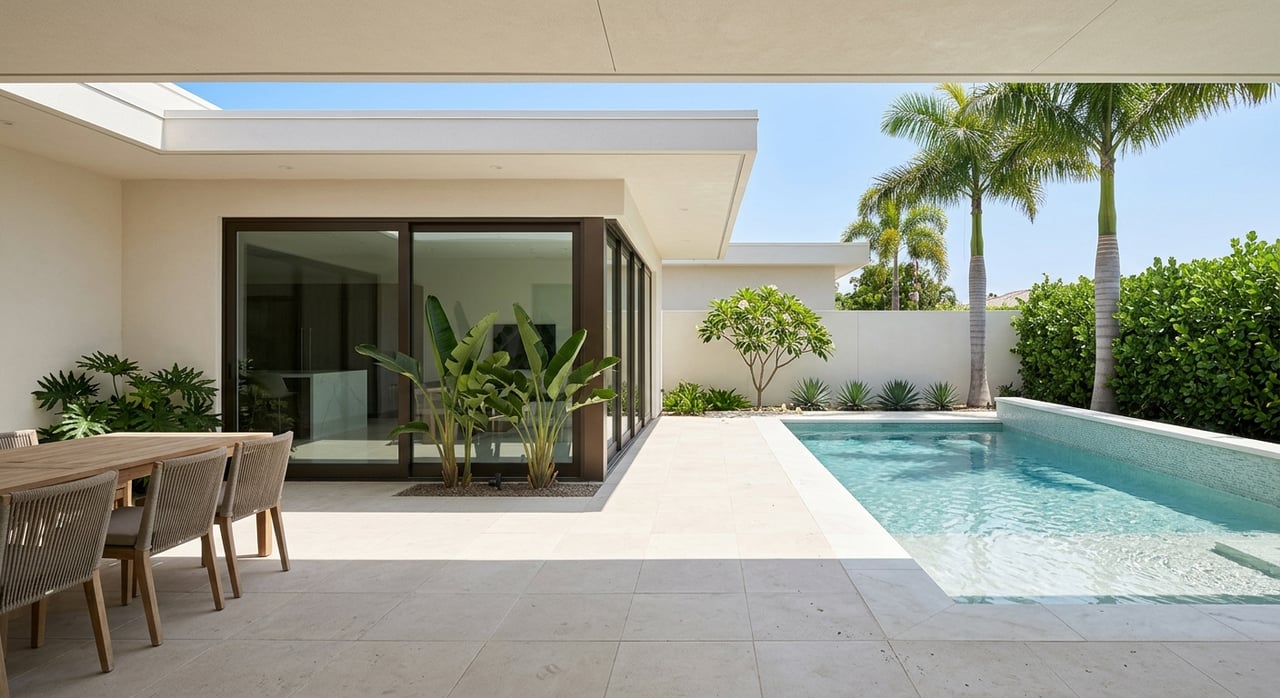
Contemporary and new construction
- Defining features: Modern materials and larger footprints, often replacing older homes in high-value pockets.
- Value note: Newer builds can command premiums. Teardowns in historic districts are limited and usually face strict review.
Townhomes and condominiums
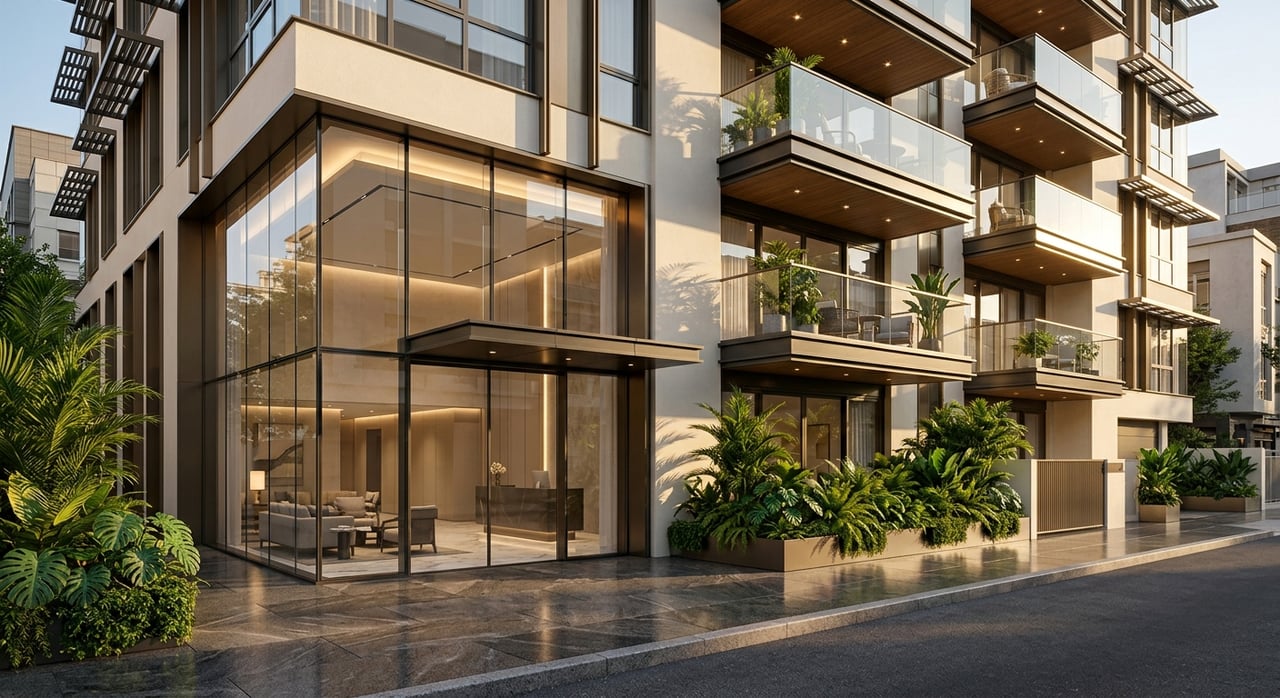
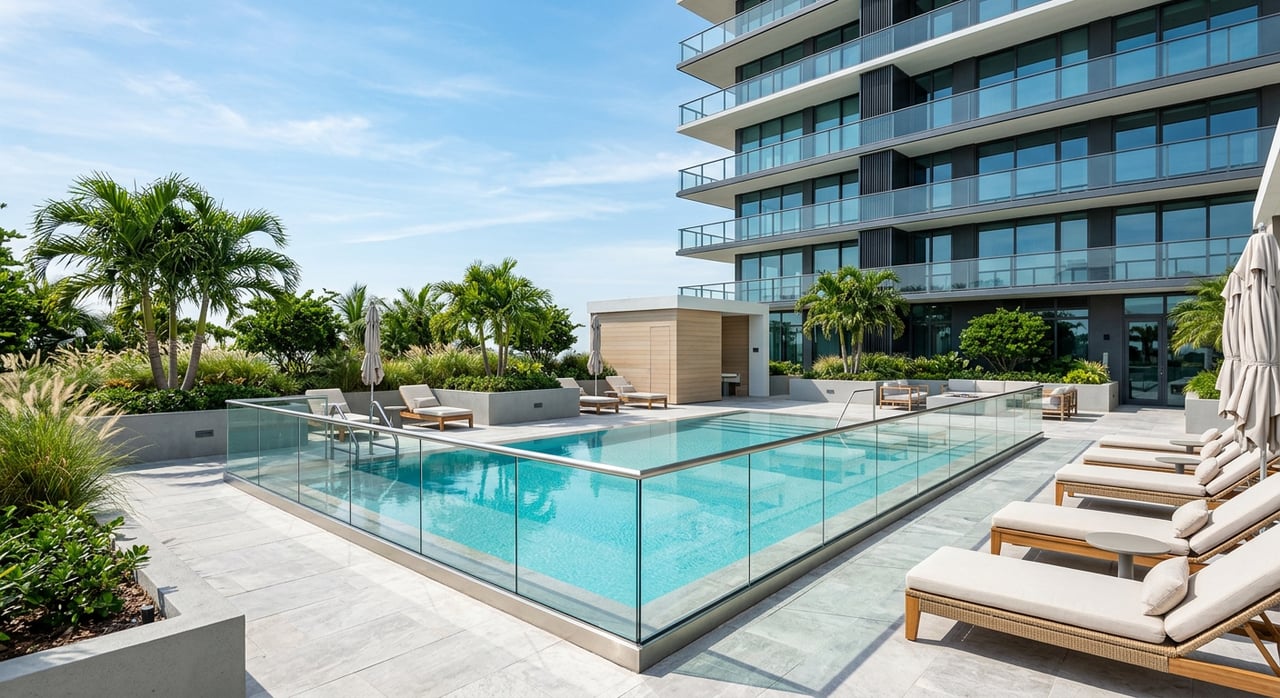
- Defining features: Brick and masonry walk-ups from mid-century eras, newer elevator mid-rises near downtown, and luxury boutique buildings.
- Renovation tips: Association rules govern exteriors and common areas. Review reserve studies and approvals for any building-wide projects.
Rules that shape renovation potential
Two parallel controls guide what is possible:
- Zoning: Determines use (single-family or multifamily), lot coverage, floor area ratio, setbacks, height, and parking. These rules decide if you can expand, subdivide, or redevelop.
- Historic overlay: Governs appearance, rooflines, materials, and sometimes landscaping. If a property is designated or within a historic district, exterior work usually needs a Certificate of Appropriateness.
Common approvals include building permits for structural, electrical, plumbing, and mechanical work; variances for setback or coverage issues; tree removal permits; and, for waterfront properties, marine and environmental permits from multiple agencies. A pre-application meeting with city planning and historic staff can help you set budget and timeline expectations early.
Waterfront and flood realities
Waterfront estates offer top-tier lifestyle and value, yet come with specialized maintenance and permitting. Seawall condition affects use, insurance, and resale. Rebuilding or modifying seawalls and docks often involves multi-agency approvals and significant cost.
Across Coral Gables, coastal proximity brings salt-air corrosion, higher water tables, and flood risk in certain areas. Elevation, drainage, and site access can impact construction methods and insurance. Ordering an elevation certificate and reviewing flood maps early helps you compare homes on true risk, not just curb appeal.
Market and value takeaways
- Historic character holds value: Well-preserved homes within cohesive streetscapes tend to maintain or grow value because design review limits incompatible development.
- Trade-offs are real: Historic designation supports neighborhood integrity but can add time and cost to exterior renovations.
- Waterfront commands premiums: Gated and bayfront enclaves lead the market, paired with higher maintenance and permitting complexity.
- Walkability and proximity matter: Access to downtown, schools, and the University of Miami drives demand for both condos and single-family homes.
- Redevelopment pressure is selective: University-adjacent and transit-proximate areas see more infill and rebuilds, but zoning still sets the rules.
Due-diligence checklist
Use this short list before you commit to buy or sell:
- Verify parcel zoning, allowed uses, and expansion potential with the city’s planning department.
- Check if the property is on the Historic Resources Inventory or within a historic district, and whether exterior work needs a Certificate of Appropriateness.
- Request permits and certificates of occupancy for past work. Confirm everything was finaled.
- For condos and townhomes: review HOA documents, design covenants, reserve studies, and recent meeting minutes for planned assessments.
- For waterfront: obtain a recent seawall inspection, review dock and seawall permits, and confirm any environmental approvals.
- Order an elevation certificate. Review flood maps and get flood insurance quotes early.
- Schedule thorough inspections: structure, roof, plumbing, electrical, HVAC. Add termite, mold, and seawall specialists as needed.
- If planning a renovation: consult a local architect familiar with Coral Gables historic review, a permit expediter or zoning attorney for complex issues, and a licensed contractor experienced with older systems and coastal conditions.
- Sellers: document historic features and completed improvements. Disclose any unpermitted work or open code items.
How to choose your Coral Gables fit
Start with your priorities: waterfront access, walkability, historic charm, or flexible renovation potential. Then align those goals to the neighborhoods where the rules and housing stock support them. If you love 1920s architecture, look closely at Coral Way and nearby historic districts. If you want gated, amenitized estates, Cocoplum and Gables Estates lead the pack. For condo convenience near dining, focus on Downtown, Miracle Mile, and Merrick Park.
Next, confirm the details parcel by parcel. In Coral Gables, what is possible often changes within a few doors. A quick zoning check, a historic status search, and a pre-application conversation with city staff can save you months and thousands of dollars.
Ready to compare homes, confirm the rules, and run the numbers with a local advisor? I’m here to help. ¿Prefieres conversar en español? También te acompaño en tu idioma.
Work with a trusted local guide who blends boutique service with global reach. Connect with Marbelys Angel to map the right neighborhood, evaluate renovation paths, and move forward with confidence.
FAQs
What does historic review mean in Coral Gables?
- If a home is designated or within a historic district, exterior changes usually need design approval to ensure compatible materials and appearance. Interior work is typically more flexible.
Can you tear down and rebuild in Coral Gables?
- In some pockets, yes, where zoning and lot size allow. Historic districts and certain overlays limit demolitions and enforce stricter standards for new construction.
How important is seawall condition for waterfront homes?
- Very important. Seawall integrity affects insurance, daily use, and resale value. Repairs or rebuilds often require multi-agency permits and meaningful budgets.
Do condo owners follow the same historic rules as single-family owners?
- Unit owners follow association rules for exteriors and common areas. If the building is historic, the association typically manages required exterior approvals.
Are there tax incentives for historic rehabilitation in Coral Gables?
- Some programs may offer credits or incentives for certified historic projects, but eligibility varies. Check with the city’s historic preservation office and state programs early in planning.